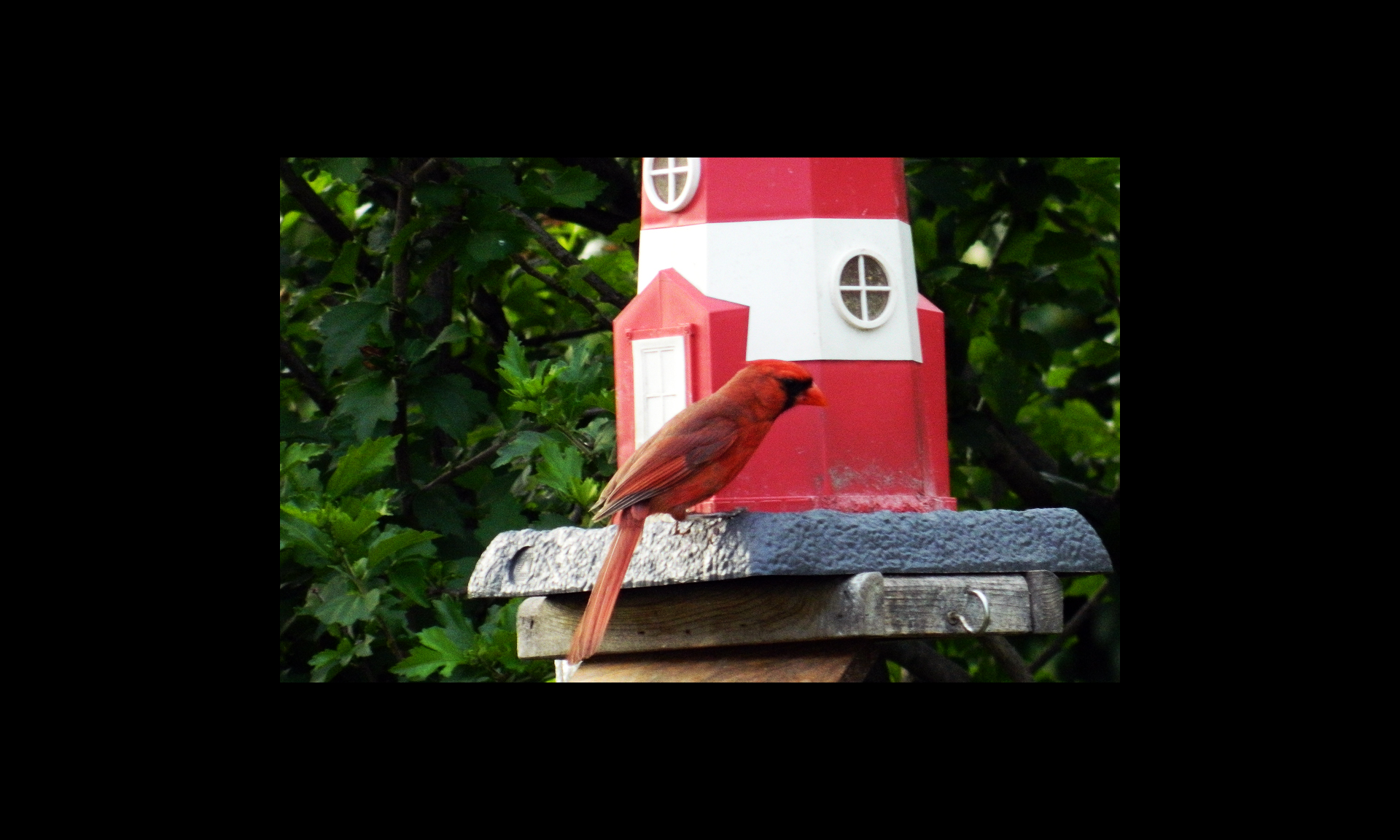
Feeders
A backyard bird feeder is a specialized outdoor structure designed to hold wild bird food. It serves to attract local species for observation and provide supplementary nutrition. Common styles include hopper, tube, platform, and suet feeders, each tailored for specific seeds and bird behaviors.
Backyard feeders can be broken down into a few core categories, each designed with unique features and for different types of bird feed:
Tube Feeders: Long, cylindrical structures made of clear plastic or mesh with multiple feeding ports and perches. They are excellent for dispensing black oil sunflower seeds or small thistle seeds, targeting smaller clinging birds like finches, chickadees, and titmice.
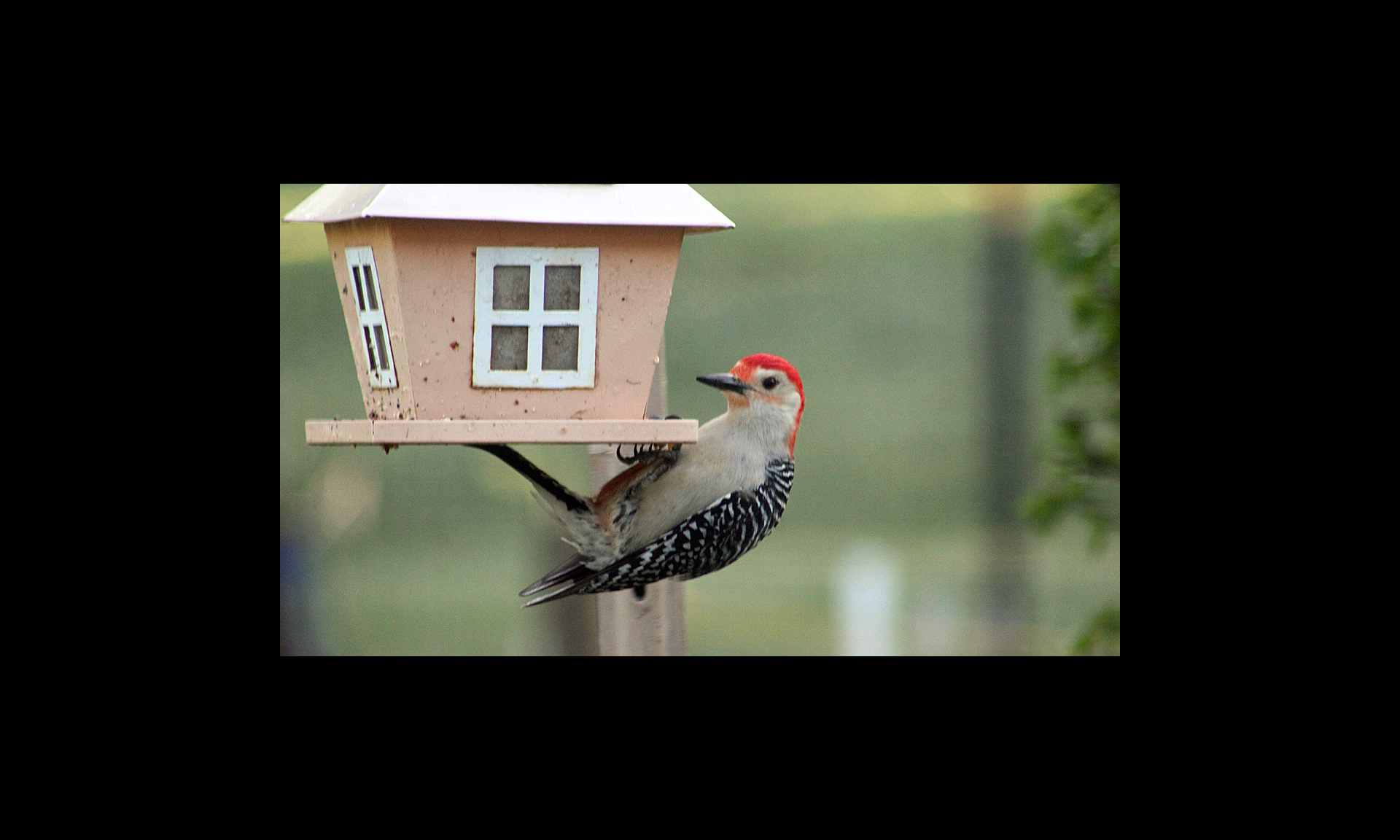
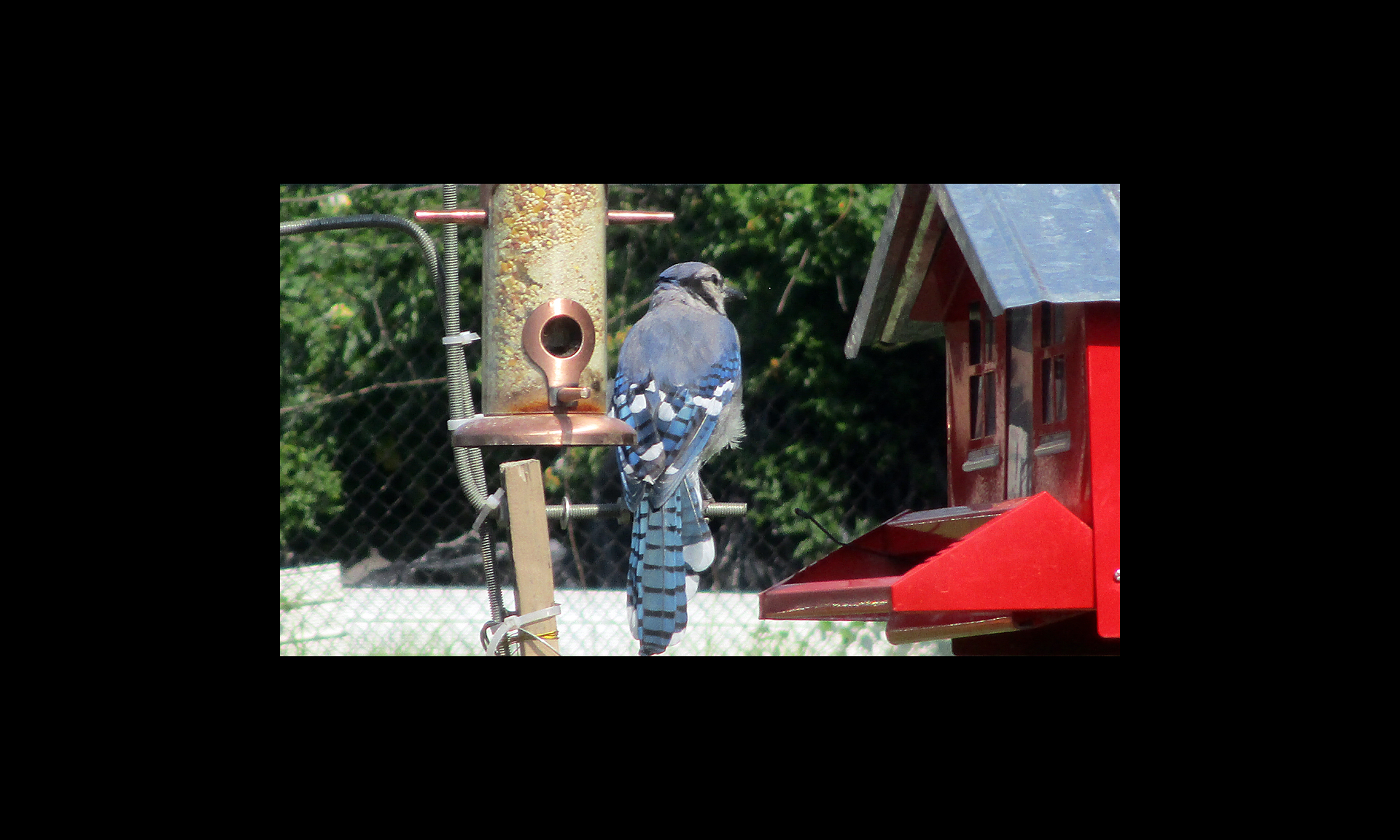
Hopper Feeders: Also known as "house-style" feeders, these look like small barns or gazebos. They hold larger quantities of mixed seeds and feature a roof to keep the seed dry. They attract a wide variety of medium to large birds like cardinals, jays, and grosbeaks.
Platform Feeders: Flat, open trays (often with mesh bottoms for drainage) that are sometimes raised a few feet off the ground. They mimic natural ground foraging and are highly favored by mourning doves, juncos, and sparrows.
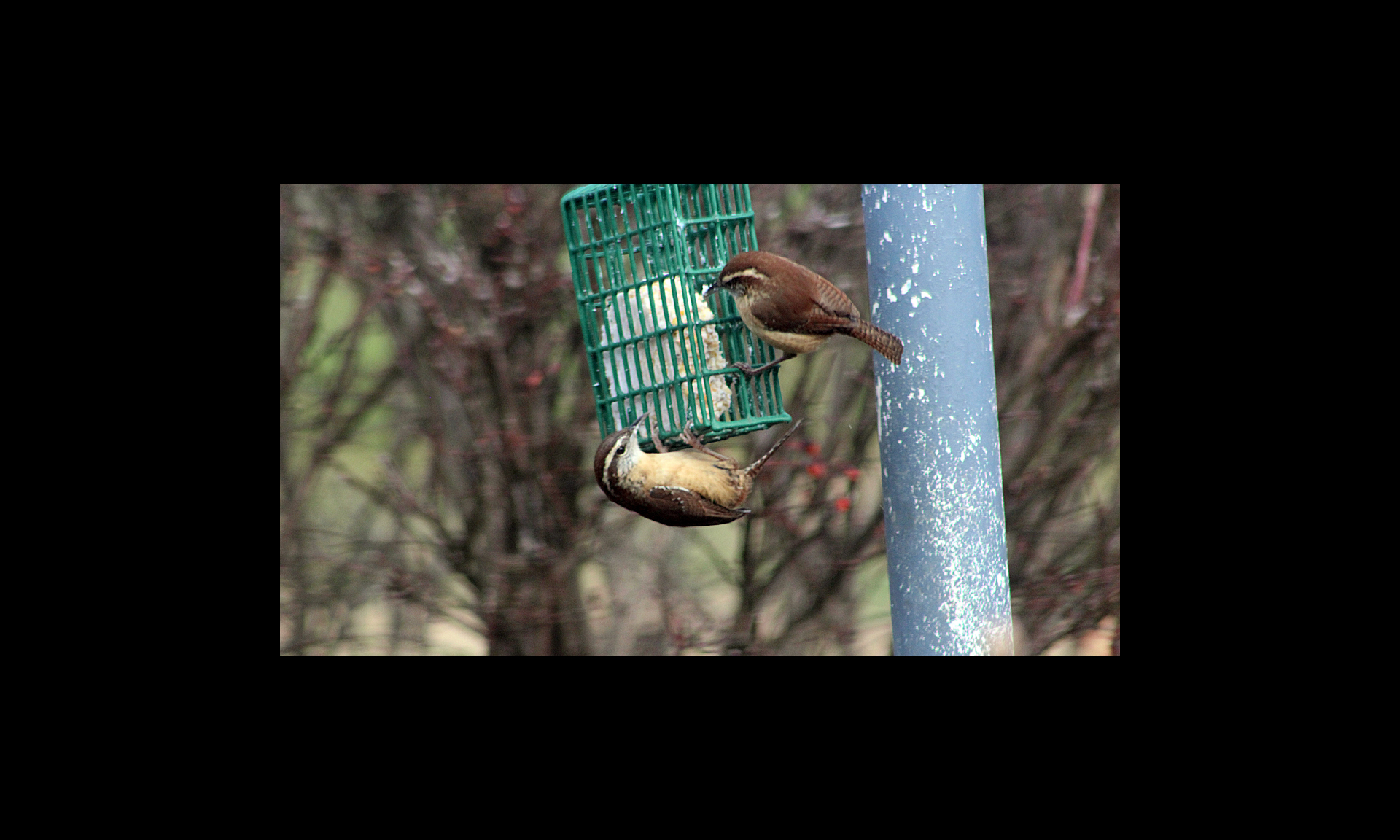
Suet Feeders: Wire mesh cages designed to hold blocks of suet (rendered animal fat). They are the go-to choice for insect-loving backyard visitors like woodpeckers, nuthatches, and wrens.
To get the most out of your feeder, it's typically recommended to place it in a semi-sheltered area, roughly 5 to 10 feet away from trees, brush, or other structures that predators or squirrels could use as a launchpad. Regular cleaning (every 1 to 2 weeks with soap and a diluted bleach solution) is also recommended to prevent the spread of avian diseases.
Backyard feeders can be broken down into a few core categories, each designed with unique features and for different types of bird feed:
Tube Feeders: Long, cylindrical structures made of clear plastic or mesh with multiple feeding ports and perches. They are excellent for dispensing black oil sunflower seeds or small thistle seeds, targeting smaller clinging birds like finches, chickadees, and titmice.
Hopper Feeders: Also known as "house-style" feeders, these look like small barns or gazebos. They hold larger quantities of mixed seeds and feature a roof to keep the seed dry. They attract a wide variety of medium to large birds like cardinals, jays, and grosbeaks.
Platform Feeders: Flat, open trays (often with mesh bottoms for drainage) that are sometimes raised a few feet off the ground. They mimic natural ground foraging and are highly favored by mourning doves, juncos, and sparrows.
Suet Feeders: Wire mesh cages designed to hold blocks of suet (rendered animal fat). They are the go-to choice for insect-loving backyard visitors like woodpeckers, nuthatches, and wrens.
To get the most out of your feeder, it's typically recommended to place it in a semi-sheltered area, roughly 5 to 10 feet away from trees, brush, or other structures that predators or squirrels could use as a launchpad. Regular cleaning (every 1 to 2 weeks with soap and a diluted bleach solution) is also recommended to prevent the spread of avian diseases.