Red-Wing Blackbird
Return to visitors index
Scientific Name:
Agelaius phoeniceus
Brief Description: Red-winged Blackbirds are highly territorial songbirds distinguished by extreme sexual dimorphism. Males boast glossy black plumage with striking red-and-yellow shoulder patches (epaulets) used for display, while females are cryptically colored, featuring heavily streaked brown-and-buff feathers that camouflage them in vegetation Medium-sized songbird (6.7–9.1 inches long) with 12–16 inch wingspan. The bill is sharply pointed, conical, and black. Males are aggressively territorial, fiercely defending marshland plots against threats and other males often have more than one mate.
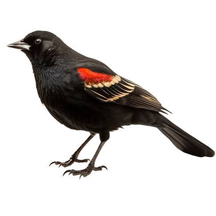
Plumage: Adult male Red-winged Blackbirds are glossy black with striking, bright red shoulder patches (epaulets) bordered in yellow. In contrast, females have cryptic, dark brown and buffy plumage with heavy streaking, resembling a large sparrow. Immature birds look like females initially, with young males gradually developing darker feathers and orange or mottled shoulder patches. Adult Males: The body features solid, glossy black feathers. The iconic wing patches—known as epaulets—have bright red lesser coverts and a distinct line of yellow median coverts. Males can puff out or completely conceal these patches using surrounding feathers depending on territorial or mating displays. Females display stark sexual dimorphism and lack the glossy black feathers or red epaulets. Their plumage consists of a rich, mottled mix of dark brown, rusty brown, and pale, creamy-white streaking. They often feature a distinct pale eyebrow and a yellowish, orange, or salmon-pink wash on the throat and face. Juveniles & Immature Males: Juveniles of both sexes look like adult females initially. However, young males eventually develop darker bodies and transition from subadult plumage. Their developing epaulets often appear more orange with black mottling, rather than the crimson red seen on fully mature adults.
Habitat: Red-winged blackbirds require different habitats depending on the season. During the spring and summer breeding season, they fiercely defend territories in wetlands, cattail marshes, and wet meadows. In the fall and winter, they gather in massive, roaming flocks and forage in open agricultural areas, croplands, and grasslands. During the breeding season, red-winged blackbirds are strongly tied to water. Their core habitats include:Wetlands: Freshwater marshes, saltwater and brackish marshes, swamps, and wet meadows. They rely heavily on dense emergent vegetation like cattails (Typha), tules, sedges, and invasive Phragmites. Females weave their cup-shaped nests directly into this vegetation, usually low over shallow water or moist ground to protect them from predators. They may also nest in nearby upland areas like hayfields, alfalfa fields, pastureland, and roadside ditches if they are close to a water source.
Egg & Nest Details: Female Red-winged Blackbirds build deep, woven cup nests in dense vegetation like cattails, shrubs, or alfalfa. They lay 2 to 4 pale blue-green eggs marked with dark streaks and spots. The female incubates them for 11 to 13 days. Nest Construction: Exclusively built by the female over 3 to 6 days. The nest is woven from coarse plant materials, lined with wet vegetation and mud for structure, and finally lined with fine, dry grass. The eggs are oval and smooth, typically pale bluish-green, and speckled or splotched with black, brown, and purple markings concentrated at the larger end.
Diet: Red-winged blackbirds are opportunistic omnivores. During the spring and summer, their diet consists primarily of insects, which provide protein for breeding and raising chicks. In the fall and winter, they shift to a heavily plant-based diet made up of weed seeds, grains, and waste crops. During the warmer months, their diet is about one-quarter invertebrates, including: Beetles, caterpillars (including gypsy moths and tent caterpillars), grasshoppers, mayflies, spiders, snails, and millipedes. Fall and Winter Diet consists of about three-quarters of their annual diet consists of vegetation, heavily featuring: Native weed seeds like ragweed, cocklebur, and native sunflowers, as well as cattail seeds in wetlands. Waste grains left behind in fields, including corn, wheat, oats, and rice. Occasionally smaller fruits and berries, though they primarily stick to seeds.
Sounds: The Red-winged Blackbird is one of the most vocal and recognizable birds in North American wetlands. They produce a variety of distinct songs and calls used for territorial defense, communication, and alarms. The Territorial Song"Conk-la-ree!" is the male's classic, iconic song. The sound lasts about one second, starting with an abrupt note that swells into a vibrant, musical trill. It is often written phonetically as "conk-la-ree" or "o-ka-lee." When singing, the male perches high on cattails or trees, leans forward, fans his tail, and puffs out his bright red and yellow shoulder patches (epaulets).
Brief Description: Red-winged Blackbirds are highly territorial songbirds distinguished by extreme sexual dimorphism. Males boast glossy black plumage with striking red-and-yellow shoulder patches (epaulets) used for display, while females are cryptically colored, featuring heavily streaked brown-and-buff feathers that camouflage them in vegetation Medium-sized songbird (6.7–9.1 inches long) with 12–16 inch wingspan. The bill is sharply pointed, conical, and black. Males are aggressively territorial, fiercely defending marshland plots against threats and other males often have more than one mate.
Plumage: Adult male Red-winged Blackbirds are glossy black with striking, bright red shoulder patches (epaulets) bordered in yellow. In contrast, females have cryptic, dark brown and buffy plumage with heavy streaking, resembling a large sparrow. Immature birds look like females initially, with young males gradually developing darker feathers and orange or mottled shoulder patches. Adult Males: The body features solid, glossy black feathers. The iconic wing patches—known as epaulets—have bright red lesser coverts and a distinct line of yellow median coverts. Males can puff out or completely conceal these patches using surrounding feathers depending on territorial or mating displays. Females display stark sexual dimorphism and lack the glossy black feathers or red epaulets. Their plumage consists of a rich, mottled mix of dark brown, rusty brown, and pale, creamy-white streaking. They often feature a distinct pale eyebrow and a yellowish, orange, or salmon-pink wash on the throat and face. Juveniles & Immature Males: Juveniles of both sexes look like adult females initially. However, young males eventually develop darker bodies and transition from subadult plumage. Their developing epaulets often appear more orange with black mottling, rather than the crimson red seen on fully mature adults.
Habitat: Red-winged blackbirds require different habitats depending on the season. During the spring and summer breeding season, they fiercely defend territories in wetlands, cattail marshes, and wet meadows. In the fall and winter, they gather in massive, roaming flocks and forage in open agricultural areas, croplands, and grasslands. During the breeding season, red-winged blackbirds are strongly tied to water. Their core habitats include:Wetlands: Freshwater marshes, saltwater and brackish marshes, swamps, and wet meadows. They rely heavily on dense emergent vegetation like cattails (Typha), tules, sedges, and invasive Phragmites. Females weave their cup-shaped nests directly into this vegetation, usually low over shallow water or moist ground to protect them from predators. They may also nest in nearby upland areas like hayfields, alfalfa fields, pastureland, and roadside ditches if they are close to a water source.
Egg & Nest Details: Female Red-winged Blackbirds build deep, woven cup nests in dense vegetation like cattails, shrubs, or alfalfa. They lay 2 to 4 pale blue-green eggs marked with dark streaks and spots. The female incubates them for 11 to 13 days. Nest Construction: Exclusively built by the female over 3 to 6 days. The nest is woven from coarse plant materials, lined with wet vegetation and mud for structure, and finally lined with fine, dry grass. The eggs are oval and smooth, typically pale bluish-green, and speckled or splotched with black, brown, and purple markings concentrated at the larger end.
Diet: Red-winged blackbirds are opportunistic omnivores. During the spring and summer, their diet consists primarily of insects, which provide protein for breeding and raising chicks. In the fall and winter, they shift to a heavily plant-based diet made up of weed seeds, grains, and waste crops. During the warmer months, their diet is about one-quarter invertebrates, including: Beetles, caterpillars (including gypsy moths and tent caterpillars), grasshoppers, mayflies, spiders, snails, and millipedes. Fall and Winter Diet consists of about three-quarters of their annual diet consists of vegetation, heavily featuring: Native weed seeds like ragweed, cocklebur, and native sunflowers, as well as cattail seeds in wetlands. Waste grains left behind in fields, including corn, wheat, oats, and rice. Occasionally smaller fruits and berries, though they primarily stick to seeds.
Sounds: The Red-winged Blackbird is one of the most vocal and recognizable birds in North American wetlands. They produce a variety of distinct songs and calls used for territorial defense, communication, and alarms. The Territorial Song"Conk-la-ree!" is the male's classic, iconic song. The sound lasts about one second, starting with an abrupt note that swells into a vibrant, musical trill. It is often written phonetically as "conk-la-ree" or "o-ka-lee." When singing, the male perches high on cattails or trees, leans forward, fans his tail, and puffs out his bright red and yellow shoulder patches (epaulets).